Photograph a Working Harbor Respectfully
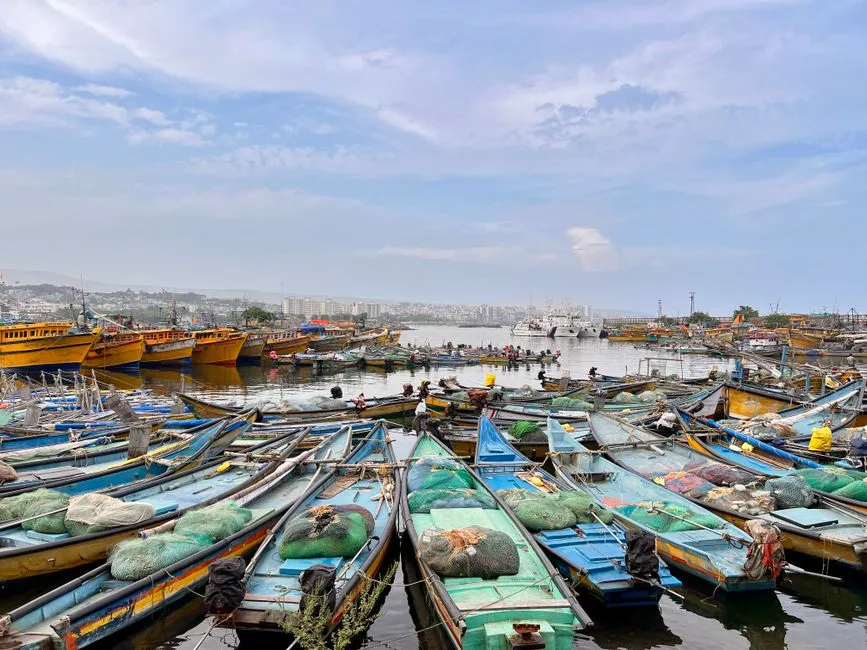
Make the photograph from public, nonworking space
Photograph a working harbor from a legal public viewpoint, outside crew routes, loading areas, private docks, security zones, and equipment swing or travel paths. Check current local and port rules, keep people identifiable only with appropriate permission, and never ask active work to pause for the image.
A harbor is not an abandoned collection of photogenic rope. Boats depart, forklifts reverse, lines come under load, fish and cargo move, and crews need sightlines. The first composition decision is where the photographer can stand without becoming new harbor infrastructure.
Learn the visible boundaries
Before visiting, use official port, city, marina, or land-manager information to identify public paths, viewpoints, parking, opening conditions, and photography restrictions. Some ports restrict photography or access for safety and security; rules can differ between the public promenade and the working facility beside it.
On site, obey gates, fences, painted lines, signs, safety staff, and crew directions. Do not tailgate through a controlled entrance, step onto a boat or floating dock, enter a shed, climb a seawall, or use a service road because another person appears to be doing so.
Browse harbor etiquette for more working-waterfront conduct.
Stay clear of lines, gear, and vehicles
Never step over or stand inside coils of rope, nets, hoses, cables, chains, or marked work areas. A line under tension can move violently and the dangerous area may not be obvious. Keep away from suspended loads, cranes, winches, boat-launch lanes, fuel areas, and reversing vehicles.
Use a longer focal length or crop instead of moving closer. Do not place a tripod where it narrows a path, blocks a ramp, creates a trip hazard, or interferes with accessibility. Ask before setting up anything larger than a hand-held camera.
Wear footwear and weather protection suited to wet, uneven, or slippery public surfaces. Remain behind railings and do not lean equipment over water without a secure, permitted setup.
Ask before making a person the subject
A wide scene may include people incidentally under applicable local rules, but a recognizable worker as the clear subject deserves direct, respectful permission whenever practical. Identify yourself, explain intended use, accept no immediately, and avoid interrupting a task.
Special care applies to children, private conversations, medical events, accidents, grief, distress, immigration or security processes, and culturally sensitive activity. Do not publish identifying details that create risk merely because they were visible from a public place.
For commercial, editorial, organizational, or promotional use, determine what releases, permits, trademarks, licenses, or employer permissions apply. Seek qualified legal guidance when rights matter; a friendly wave is not a universal model release.
Visit waterside routes for safe public approaches and exits.
Caption only what you can support
Record date, general public viewpoint, weather, and the name of a vessel, activity, species, catch, company, or person only when a reliable source or authorized participant confirms it. Do not infer nationality, job, ownership, destination, catch, price, or tradition from appearance.
Distinguish observation from interpretation. “Crew sorting gear beside a vessel” may be supportable; “a family business preparing for its daily tuna run” contains several claims the photograph cannot prove.
Ask whether location metadata could expose a sensitive worksite, nesting area, cultural place, private home, or security detail. Remove unnecessary metadata and geotags according to the publication context.
Photograph the systems, not only faces
Look for public-view details that explain harbor work without intrusion: tide marks, fenders, bollards, hull repairs, weathered paint, stacked pots, safety signs, reflections, changing light, vessel movement, and the separation between pedestrian and operational space.
Use shutter speed intentionally: faster to define moving equipment from a safe distance, or slower for water only when the camera is supported without blocking anyone. Do not use flash toward operators, drivers, or crews where distraction could create risk.
Our waterfront-walk guide helps build a route through authorized viewpoints.
Leave when the work or conditions change
Move immediately when asked or when the area becomes active. Stop during an emergency, security response, conflict, dangerous weather, or when your presence is distracting. Do not argue that the lens is small or that the light will disappear.
Review images later for unintended identities, private information, access codes, documents, screens, vehicle plates, children, injuries, or unsafe behavior that publication could amplify. Crop or withhold where appropriate.
Respectful harbor photography shows a living place without demanding ownership of it. The strongest frame may come from waiting farther back, learning what is actually happening, and allowing the working waterfront to continue the radical creative choice of working.